
Will Your Safety Shower Perform When It Matters Most?
A surprising number of emergency safety showers are connected to inadequate water supplies—sometimes even a standard garden hose. Water may appear to flow, but in an emergency, “appears to work” is not good enough.
The Hidden Risk in Your Setup
Many worksites assume that if water comes out of the shower, the system is fit for purpose. However, emergency equipment is judged on performance under pressure—literally. Safety showers must deliver a consistent, high-volume flow for a sustained period, in line with standards such as AS 4775 and ANSI Z358.1.
Why This Matters More Than You Think
If the flow rate is insufficient, pressure drops, or the supply fails mid-use, the consequences can be severe. Workers exposed to hazardous substances may not be properly decontaminated, increasing the risk of serious injury. At the same time, businesses face failed audits, non-compliance, and potential liability—issues that are far more costly than getting the installation right the first time.
A Better Approach to Compliance
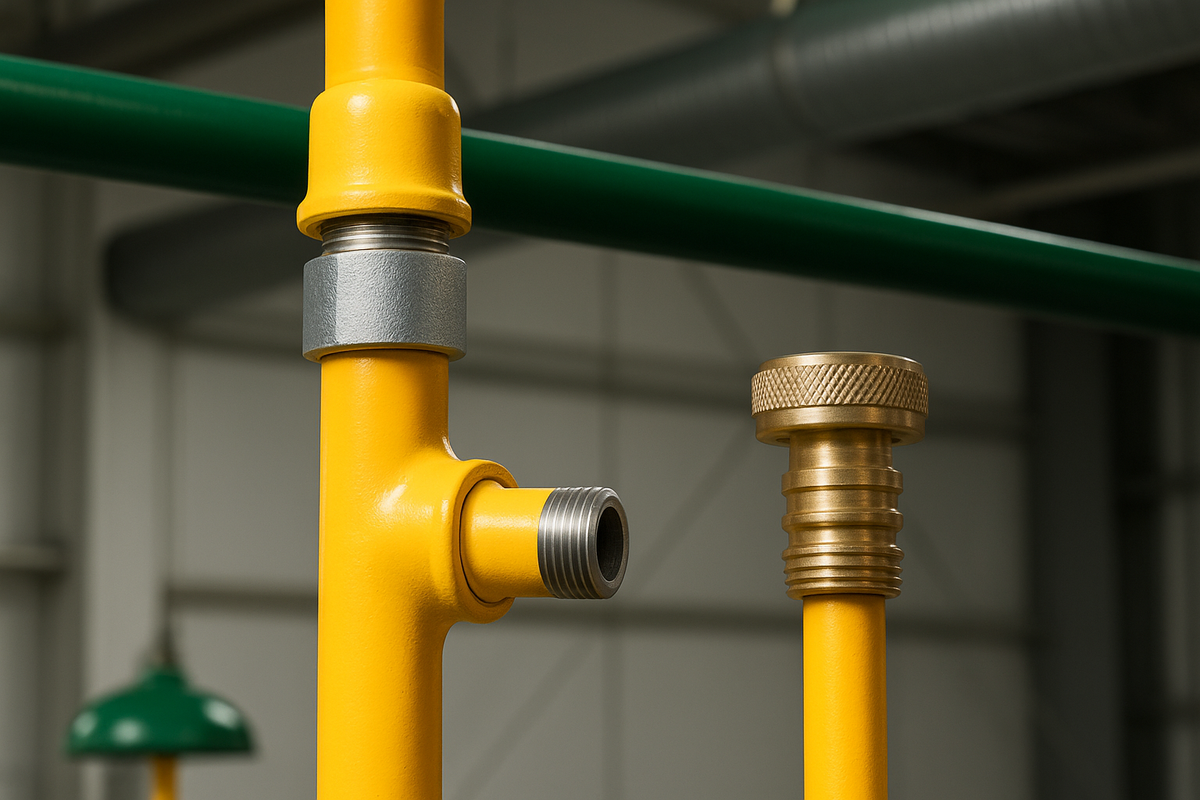
A compliant safety shower system goes beyond the unit itself. It requires a properly designed, hard-plumbed water supply with adequate pipe sizing, reliable pressure, and the capacity to deliver continuous flow for at least 15 minutes. This ensures the system performs exactly as intended in an emergency.
The Outcome You Want
When installed correctly, a safety shower provides confidence. You know it will work when needed, your site meets compliance requirements, and your team is protected. It also reduces the risk of downtime, injury-related costs, and regulatory issues.
What We See in the Field
Across construction, manufacturing, and industrial sites, properly installed systems consistently pass flow testing and compliance checks. In contrast, temporary or undersized setups—like hose-fed systems—frequently fall short when tested.
The Most common issue we see
The most common issue we see in the field is Safety Showers and Eyewash units that have not been touched in years. It is obvious these sites have NOT been running the weekly test let alone the annual inspection. They are covered in dust and grime.
Some major impacts of this in the event of an incident:-
- when the unit is turned on to wash the eyes, it blows dust or gunk direct into the held open eye
- alternatively the aerators could be clogged preventing the unit working
So if you walk past a neglected Safety Shower and Eyewash on your site, please just activate it and see what happens. This is a great first step.
Take the Next Step
If you’re unsure whether your safety shower setup is truly compliant, it’s worth reviewing before it becomes a problem. The team at Big Safety can provide practical guidance to help ensure your system performs when it matters most.